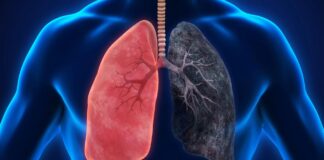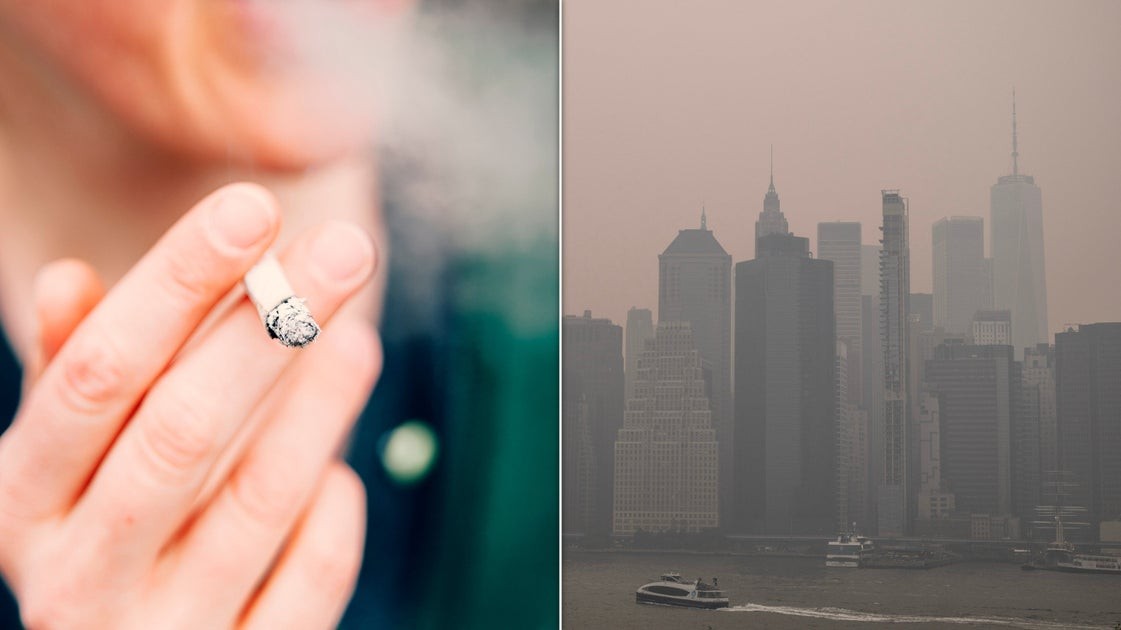
The air looks clear. Then your chest tightens.
Wildfires in Canada aren’t just a headline. They’re sending a gray haze rolling down to the Midwest and the East Coast. If you think you’re immune because you’ve never lit a cigarette, you’re wrong. The smoke gets in there.
Check the Air Quality Index or AQI. It tells you what the air is doing to you. The New York State Department of Environmental Conservations breaks it down simply. Above 100 means the air is moderate to unhealthy for sensitive people. Push that past 200 and it becomes simply unhealthy. Very unhealthy.
New York City hit an AQI of over 300 recently. That’s high. That’s bad.
People like to make the cigarette comparison. Is it valid? Yes. Science says so.
A 2020 Stanford Woods Institute study put a number on it. Breathe in wildfire smoke at an AQI of 150 for a few days standing outside? That’s equivalent to smoking seven cigarettes a day.
Seven.
That study assumed you were outdoors the whole time. Pollution sneaks indoors anyway. Short bursts of high smoke exposure hit the lungs like long-term, low-level exposure does. It’s cumulative damage.
Why is wildfire smoke toxic to your lungs?
Dr. Afif El-Hason with the American Lung Association calls the cigarette analogy “appropriate.” Here’s the mechanism. Smoke carries particles. Tiny ones. We are talking about soot. Dirt. Dust. Liquids. Chemicals.
These aren’t just sitting in the air. They go into the bloodstream.
“You’re basically dealing with inhaling vegetation,” El-Hason told HuffPost. Like tobacco leaves in a cigarette. It’s burning organic matter. Organic matter burns into chemicals. Some irritate lungs immediately. Others are carcinogens.
Think of walking into a packed room of smokers. You start coughing. Right away.
You walk into a room where everyone smoking, you’re going start cough right away. Same with wildfire smoke.
Immediate symptoms hit fast. Coughing. Wheezing. Stinging eyes. Scratchy throat. Runny nose. Headache. Chest pain. If you have asthma, an attack isn’t a maybe. It’s likely.
Brady Scott, a fellow with the American Association for Respiratory Care, agrees the comparison works. Wildfire smoke isn’t identical to cigarette smoke. The toxins differ. But the result? Harmful lungs. Harmful heart.
Which chemicals make wild fire smoke dangerous?
It’s a cocktail. Water vapor sits next to carbon monoxide. Acids mix with metals. Soot clings to mold. Pollen drifts in ash.
Fine particles make up 90 percent of wild fire smoke pollutants. They are small enough to bypass the nose and throat filters. They drop straight into the lung tissue. Then they enter the blood.
But there is a variable. What is burning?
Trees burn one way. Plastics burn another. El-Hason notes wild fires burn whatever is in the forest. Sometimes that includes man-made structures. Burning plastics release specific fumes. Those increase heart disease risks. They spike respiratory side effects. They can damage organs.
Cigarette smoke particles do the same travel. Tobacco smoke travels fast through lungs and absorbs into the blood. Wildfire smoke lingers for days.
Even when the wildfires out there’s still particles being sent us.
The smoke stays. The ash remains suspended.
How do smoke inhalation affect heart health?
It’s not just about breathing.
Smoking damages blood vessels. They thicken. They narrow. Clots form. Blockage happens. Stroke risk climbs.
Wildfire smoke does something similar.
Studies show people over 65 face a 40 percent increased risk of stroke from wildfire smoke exposure. Heart attack rates also climb.
El-Hasan adds context though. How long were you exposed? Were you breathing heavily exercising or just walking? What kind of smoke was in the air? Duration matters.
Your body tries to handle it.
“The lungs heal themselves,” El-Hasan says. “Getting rid particles one way another.” The upper airway filters ash. The lungs catch more. The liver works to neutralize chemicals that make it into the bloodstream.
It usually works.
Unless you’re vulnerable.
Sensitive groups struggle to clear this debris. Children under 18. Pregnant women. Older adults. People with existing asthma or heart disease. Low-income communities often lack proper filtration. Outdoor workers can’t go inside.
Short-term exposure leads to bronchitis. It reduces lung function. It packs emergency rooms with asthma attacks.
How to protect yourself from smoke exposure
Stay inside.
It sounds obvious but it works best. Exposure inequalities make this hard for many. But prevention starts with staying indoors when the AQI spikes.
If you have older home with weak air filters buy electric HEPA filters. Use one per room. It traps the fine particles.
Wear N95 masks if you must go out. They fit tight. They filter out the microscopic stuff. Bandanas won’t do much against these particles.
Have your medication ready.
If you have chronic lung disease keep your inhaler nearby. If you have heart conditions have your meds accessible. Do not wait for a symptom to check if you have relief tools.
“This not time go ‘my inhaler working,'” El-Hasan warns.
Check local air quality reports constantly. The visual clarity of the sky lies to you. The index does not.
When will the air clear completely? Maybe tomorrow. Maybe never for some chemicals. Just watch the numbers. Protect the lungs.