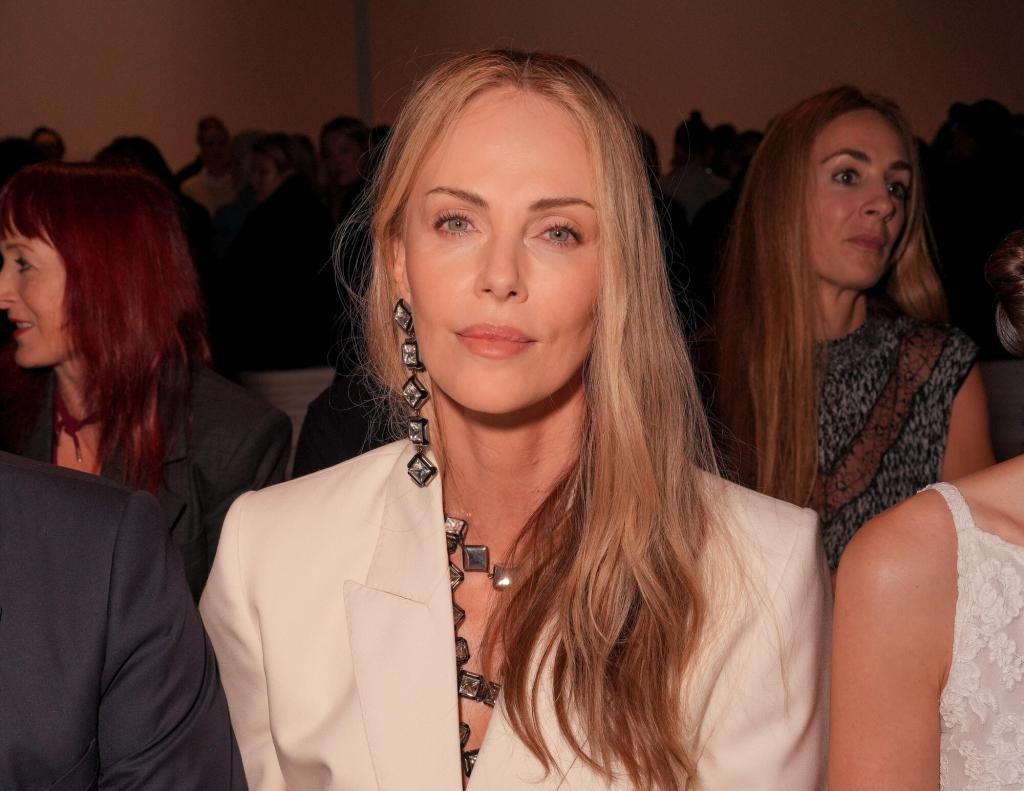
Oscar winner Charlize Theron has found herself at the center of a social media firestorm. While her recent interview with Variety included high praise for the discipline of dancers, it also contained a provocative prediction about the future of acting that has left many in the industry—and the public—deeply unsettled.
The Spark: High Praise for Dancers
During her discussion with Variety, Theron took a moment to highlight the physical and mental rigor required by professional dancers.
“Dance is probably one of the hardest things I ever did. Dancers are superheroes. What they put their bodies through in complete silence.”
Theron’s admiration for the art form was clear, framing dancers as elite athletes who perform under immense pressure. However, the tone of the interview shifted when the conversation turned toward the intersection of technology and traditional performing arts.
The Controversy: AI vs. The Actor
The primary source of the backlash stems from Theron’s response to a previous viral moment involving actor Timothée Chalamet. Addressing Chalamet’s past remarks regarding ballet and opera, Theron argued that while certain art forms are vulnerable to technological shifts, acting may not be as secure as one might hope.
Theron stated:
“In 10 years, AI is going to be able to do Timothée’s job, but it will not be able to replace a person on a stage dancing live.”
By suggesting that artificial intelligence could eventually perform the work of a professional actor, Theron touched a raw nerve within the entertainment industry.
Why This Matters: The Existential Threat of AI
Theron’s comments highlight a growing tension in Hollywood. The rise of generative AI is not just a futuristic concept; it is a current, existential threat to many creative professions.
The backlash from fans and peers on platforms like X (formerly Twitter) reveals several key concerns:
* Industry Solidarity: Many felt it was tone-deaf for an established, highly successful actress to suggest that the jobs of younger, less secure actors could be automated.
* The Value of Human Artistry: Critics argued that her comparison was flawed, noting that if AI can “do the job” of an actor, it fundamentally devalues the very essence of the craft she represents.
* Economic Anxiety: For many in the creative arts, the prospect of AI replacement is not a theoretical debate but a looming threat to their livelihoods and the authenticity of storytelling.
Social media users reacted sharply, with some accusing her of being out of touch with the struggles of working actors, while others pointed out the irony of an actress suggesting that her own profession is replaceable by an algorithm.
Conclusion
Charlize Theron’s comments have ignited a fierce debate regarding the boundaries between human creativity and technological advancement. Her remarks underscore the profound anxiety currently felt across the creative industries as they grapple with the rapid integration of AI.