You know that sinking feeling when you walk outside for a backyard barbecue, confident you’re invisible to pests, only to watch your friends swat air around them while they remain pristine?
It’s not a joke.
Mosquitoes don’t bite everyone equally. They pick their targets. It’s selective, annoying, and scientifically explainable. If you’re always the walking buffet, here’s exactly why, according to entomologists and dermatologists.
Why Are Mosquitoes More Attracted To Certain Blood Types?
One of the most specific drivers is your biology, specifically your blood type.
A study published in the Journal of Medical Entomology found that mosquitoes land on people with Type O blood nearly twice as often as those with Type A. How? Your body secretions emit a scent profile that tells the bugs what you are. Think of it like an invisible menu card floating in the air.
Jonathan F. Day, an entomlogy professor at the University of Florida, notes that while research on blood type preferences is still evolving, the core mechanism is clear. Mosquitoes use chemical cues to locate hosts.
“The amount of CO2 you give off makes you a target,” Day says.
Carbon Dioxide: The Primary Signal
You might think carbon dioxide is unique to living things. It’s not. Cars exhale it too.
But humans are special. We exhale it in massive, rhythmic clouds. Mosquitoes sniff for CO2 from afar.
If you have a higher metabolic rate—driven by genetics, body mass, or current activity—you produce more CO2. The bigger the plume, the better the radar signature for a mosquito. This is the “primary cue” that guides them toward you from dozens of feet away.
Once they’re close, they switch to “secondary cues.” These include lactic acid and body heat.
Lactic acid, that burning feeling after a run, is excreted through the sweat on your skin. It screams to a mosquito that you’re warm, moving, and ready to eat.
The Role of Body Heat and Skin Temperature
So you’ve identified a host via CO2. Now you’re in range for tactile and thermal cues.
Mosquitoes are weak flyers. They stick close to the ground to avoid wind gusts. But they have sharp vision for contrast.
Clothing Color Matters More Than You Think
How you dress is a direct tactical decision.
If you wear dark colors—navy, black, deep red—you create high contrast against the lighter horizon or foliage. You become a silhouette.
Wear light colors like khaki or white, and you blend into the background. It’s harder for them to track you. It’s a minor factor, but in a swarm, minor factors decide who gets eaten and who gets away.
Body heat acts as a landing beacon. Some people simply run hotter than others due to genetics or physiology. When a mosquito touches your skin, it seeks out warm patches where blood vessels lie close to the surface.
“Some people tend to run a little warm,” says Melissa Piliang, a board-certified dermatologist at the Cleveland Clinic. “That means when they land, they look right to the heat source for the blood.”
Lifestyle Factors That Increase Attraction
It’s not just your genetics. It’s what you do, what you eat, and how your body is changing.
Is Drinking Alcohol Attract Mosquitoes?
Yes.
Studies show that drinking even one can of beer can make you more appealing. The exact mechanism isn’t fully isolated to the alcohol itself; it’s likely linked to increased body temperature and metabolic rate as your body processes it.
Combine sweating beer with a hot evening, and you are practically lighting a flare.
If you’ve been doing yard work, sweating all day, and then stop to crack open a beer on a hot patio at dusk… you’re in big trouble. — Melissa Piliang
Pregnancy and Metabolism
Pregnant women are also highly attractive to mosquitoes. Why? Elevated body temperature, increased carbon dioxide output (up to 21% more), and higher lactic acid production.
Being overweight also correlates with a higher metabolic rate, which increases the thermal and CO2 signature you send into the atmosphere.
How To Stop Mosquito Bites For Good
Genetics can’t change. But you can change your habits and your gear.
1. Watch the Clock
Most mosquitoes are crepuscular. They peak at dawn and dusk.
“The middle of the day? Very few species are active,” says Day.
If you usually run at 7:30 PM, move it to 6:30 AM or late morning. It’s the easiest, most effective switch you can make without buying any equipment.
2. Wear the Right Gear
Breathability is key. You want clothing that keeps you cool but doesn’t show skin.
Look for fishing-style shirts with collars and long-legged pants. They keep air moving and create a physical barrier. The bugs can’t bite what they can’t reach.
3. Use the Right Repellent
If you are in a high-risk zone, DEET is still the gold standard.
A common point of confusion: Does DEET work?
“It is the most effective repellent,” says Piliang. “I love fishing shirts, but if I know I’m going to be in heavy mosquito territory, DEET is my best bet.”
Contrary to popular fear, a 2015 review by the U.S. Environmental Protection Agency concluded that DEET is safe for everyone, including pregnant women and children, when used as directed.
A 5-30% DEET spray offers about 90 minutes to a few hours of protection depending on concentration and sweat levels.
Note: Avoid citronella candles. Research does not support their efficacy as a standalone barrier against biting. Use them for ambiance, not protection.
4. Create Your Own Wind Tunnel
Mosquitoes weigh about 2 milligrams. They can barely fly in a gentle breeze.
Put an electric fan on your patio. A small, oscillating fan changes the airflow dynamics enough to stop most bites in its radius. It disrupts their flight and scatters their chemical plume. It’s physics, not magic.
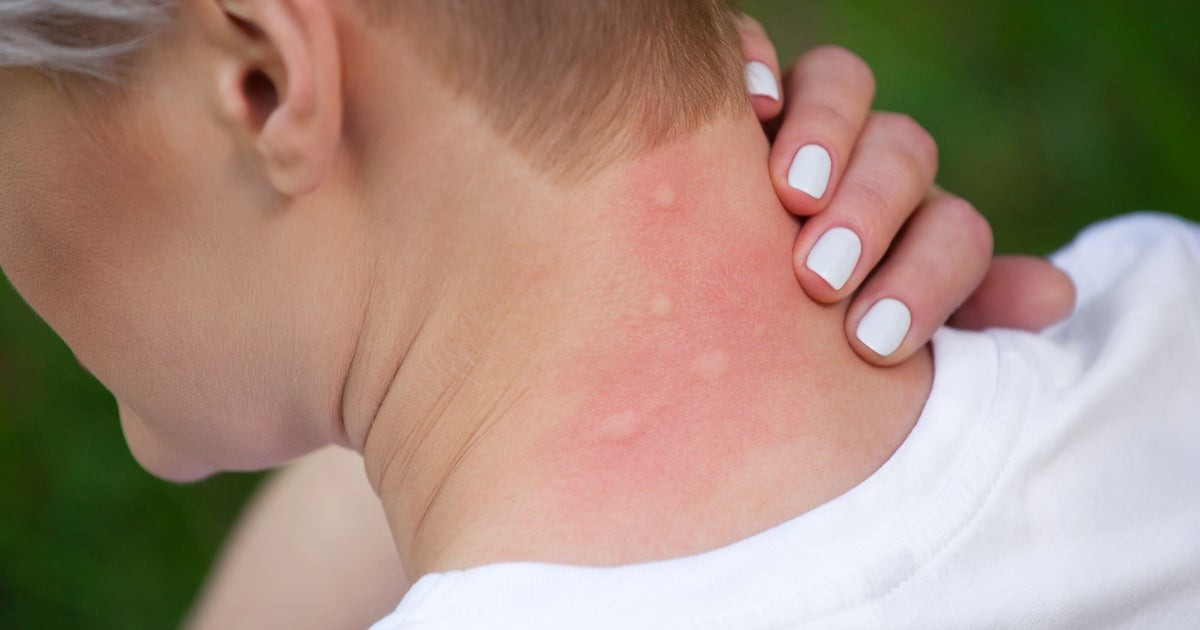
What To Do If You Get Bitten
Did you get swarmed despite your best efforts?
Here is how you manage the aftermath.
1. Don’t Scratch.
We know. It’s the primal response. But scratching breaks the skin barrier, releases more histamines (the chemical that causes itching), and increases infection risk.
2. Use Cold.
Cold signals override itch signals. They travel on the same nerve pathways. Your brain can’t process both intensely at once.
* Ice pack.
* Cold water.
* Even sucking on an ice cube can trick the nerve endings and stop the urge to scratch immediately.
3. Try Topical Steroids.
For stubborn bites, an over-the-counter hydrocortisone cream (0.5% or 1%) works wonders. Apply it 2-3 times a day to reduce inflammation.
4. Antihistamines.
If the itching is widespread and distracting, take a non-drowsy oral antihistamine like cetirizine (Zyrtec) or fexofenadine (Allegra) during the day. At night, diphenhydramine (Benadryl) can help you sleep if the itching is preventing it, though the drowsiness is the trade-off.
The Bottom Line
Mosquito attraction is a complex interplay of carbon dioxide output, lactic acid scent, body heat, and clothing contrast. You can’t stop your blood from being Type O or your body from generating heat. But you can control the variables that are left.
Cover skin. Blow wind. Pick the repellent that works.
Or… you can keep suffering while your friends stay bite-free. Up to you.